

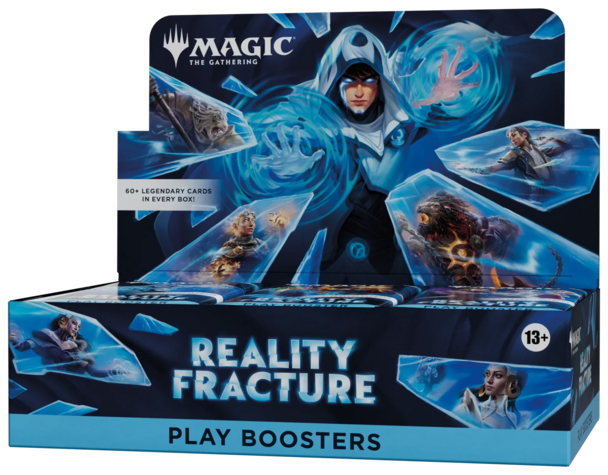
Magic: The Gathering is the original trading card game, first released in 1993 and still one of the biggest TCGs in the world. Whether you want to play or collect, here is a simple guide to how Magic sets, boosters and singles work.
How Magic: The Gathering Works
Two or more players build decks and cast spells using mana from land cards, aiming to reduce their opponent’s life total to zero. Cards come in five colours (white, blue, black, red and green), each with its own style of play.
Popular Ways to Play
- Commander: the most popular casual format, built around a legendary creature with 100-card decks
- Standard: uses only recent sets, so it changes as new sets release
- Draft: open booster packs at the table and build a deck from what you pull
Booster Types Explained
Wizards of the Coast now sells Play Boosters, designed for drafting and casual play, and Collector Boosters, packed with foils, alternate art and special versions of cards. Collector Boosters cost more but are where most chase cards come from.
Singles vs Sealed Product
If you need specific cards for a deck, buying singles is the cheapest way to get them. Sealed boxes are great for opening with friends or holding long term. Older sealed product has historically become harder to find over time.
Grading Magic Cards
PSA, CGC and BGS all grade Magic cards. Graded copies of older cards, iconic rares and special foils are the most popular. Learn the scale in PSA 10 vs PSA 9 explained and compare graders in PSA vs BGS vs SGC vs CGC.
How to Protect Magic Cards
Players use perfect-fit sleeves inside standard deck sleeves. Collectors use penny sleeves and toploaders for valuable cards. See how to protect your cards and card savers vs toploaders.
Shop Magic: The Gathering Cards in Canada
Browse Magic: The Gathering cards and the rest of our TCG cards, shipped tracked across Canada from Vancouver, BC.
More Collector Guides
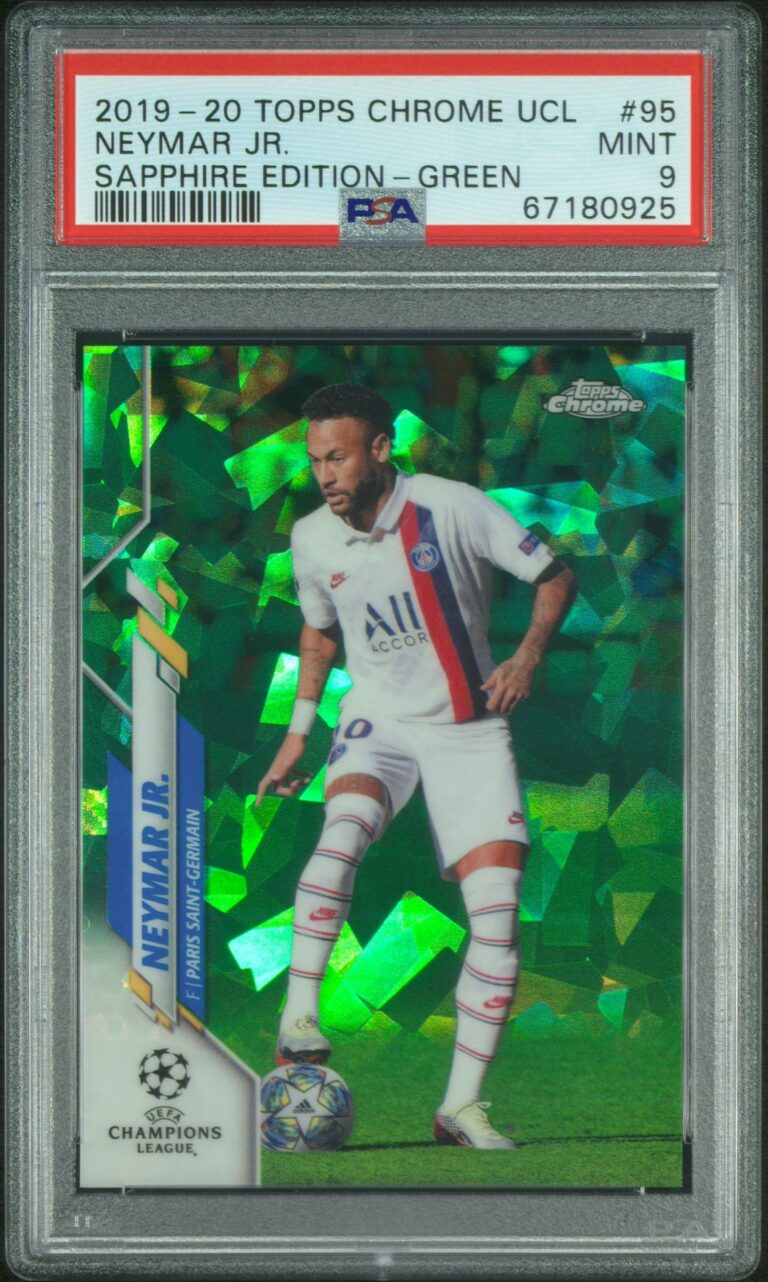 GuideSoccer Slabs: A Guide to Graded Soccer CardsSoccer slabs explained: the main soccer card brands, the graded soccer cards collectors chase, soccer rookie cards and what to check before…Read the Guide
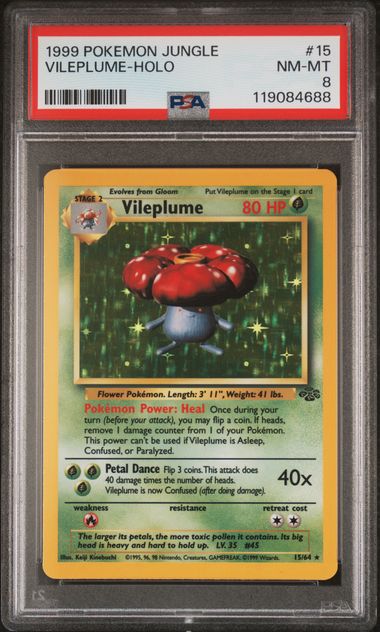 GuidePSA Population Report Explained: How Rare Is Your Slab?What the PSA population report is, how to look up a card's pop, what pop and pop higher mean, and how population…Read the Guide
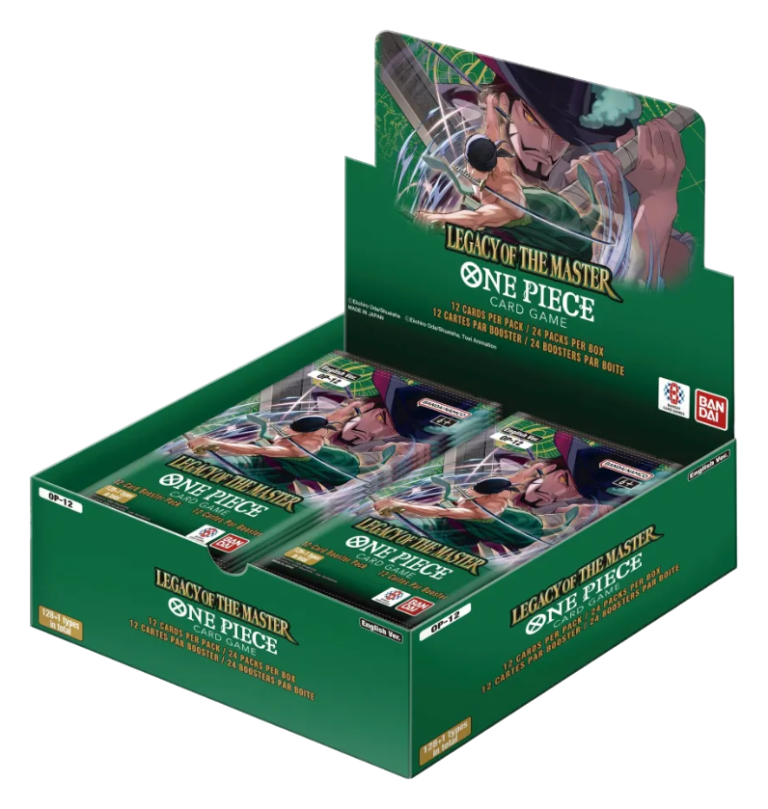 GuideOne Piece TCG Sets and Booster Boxes: A Collector’s GuideEvery English One Piece TCG booster set in order, what OP set codes mean, card rarities like manga rares, and whether to…Read the Guide
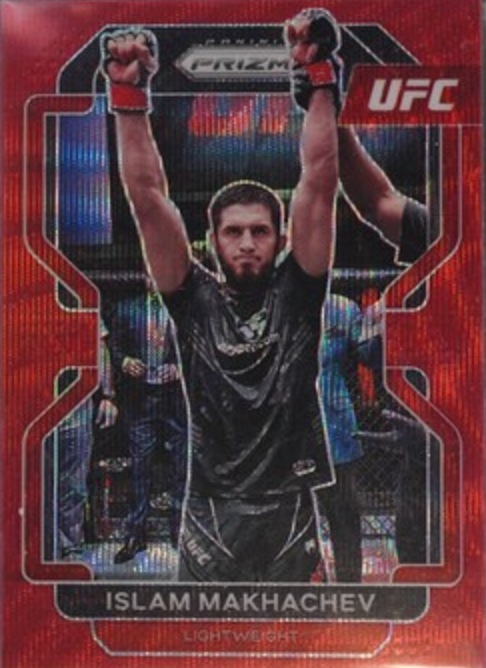 GuideUFC Prizm Cards: A Guide to Collecting UFC CardsA guide to UFC Prizm cards and UFC trading cards: Panini Prizm UFC vs Topps UFC, parallels, rookie cards, top fighters and…Read the Guide
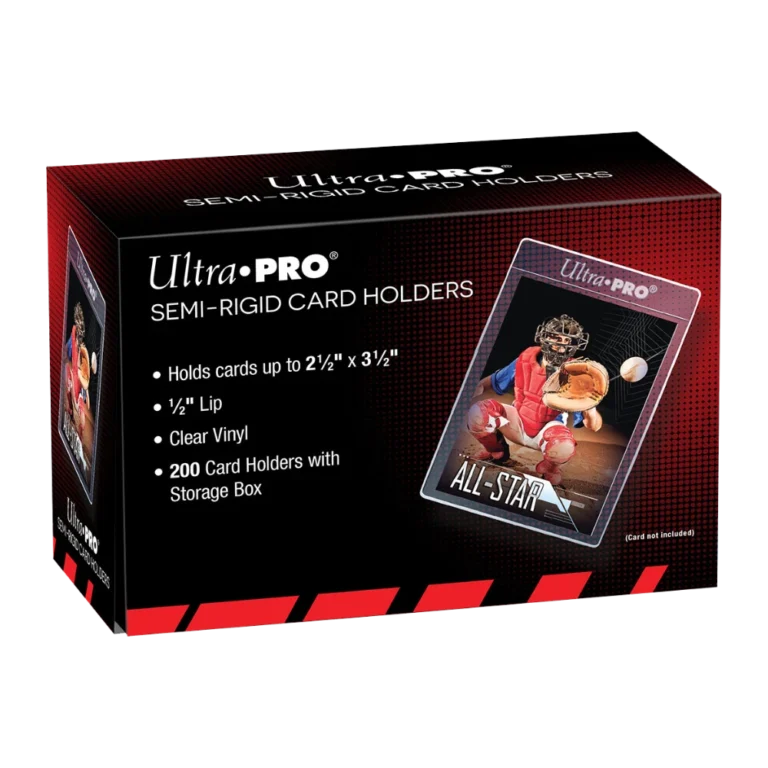 GuideCard Savers vs Toploaders: Which Should You Use?Card savers vs toploaders: what each holder is for, which one PSA prefers for grading submissions, and the best way to store…Read the Guide
 GuideHow to Store Trading Cards in Vancouver’s Rainy ClimateVancouver’s damp winters can curl and damage cards. How to store Pokémon and sports cards safely: humidity levels, sleeves, toploaders, slabs and…Read the Guide
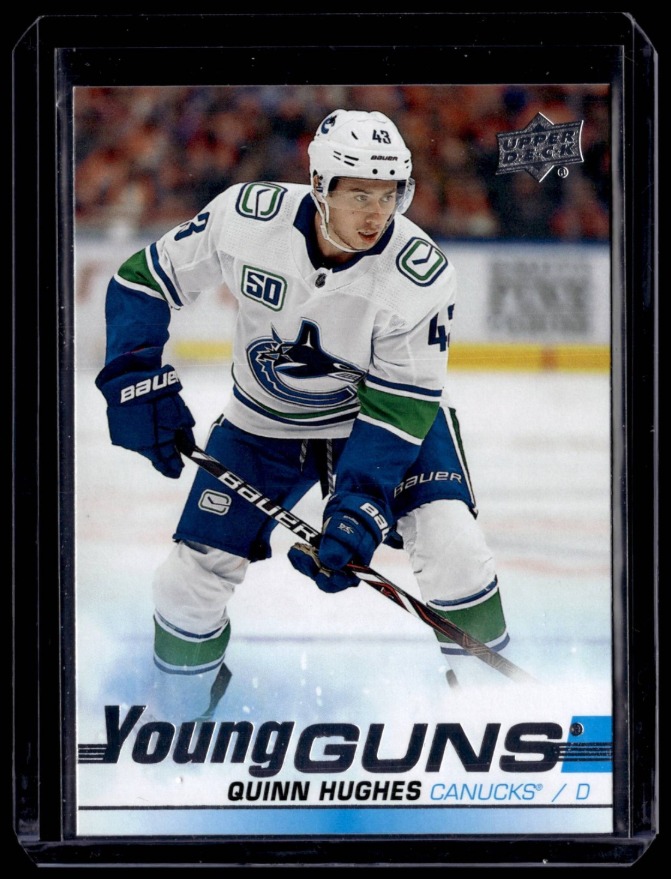 GuideBuy Sports Cards in Vancouver: Canucks, Whitecaps and Graded CardsShop sports cards in Vancouver: PSA graded slabs, hockey Young Guns rookies, soccer and basketball cards from a Vancouver, BC card shop…Read the Guide
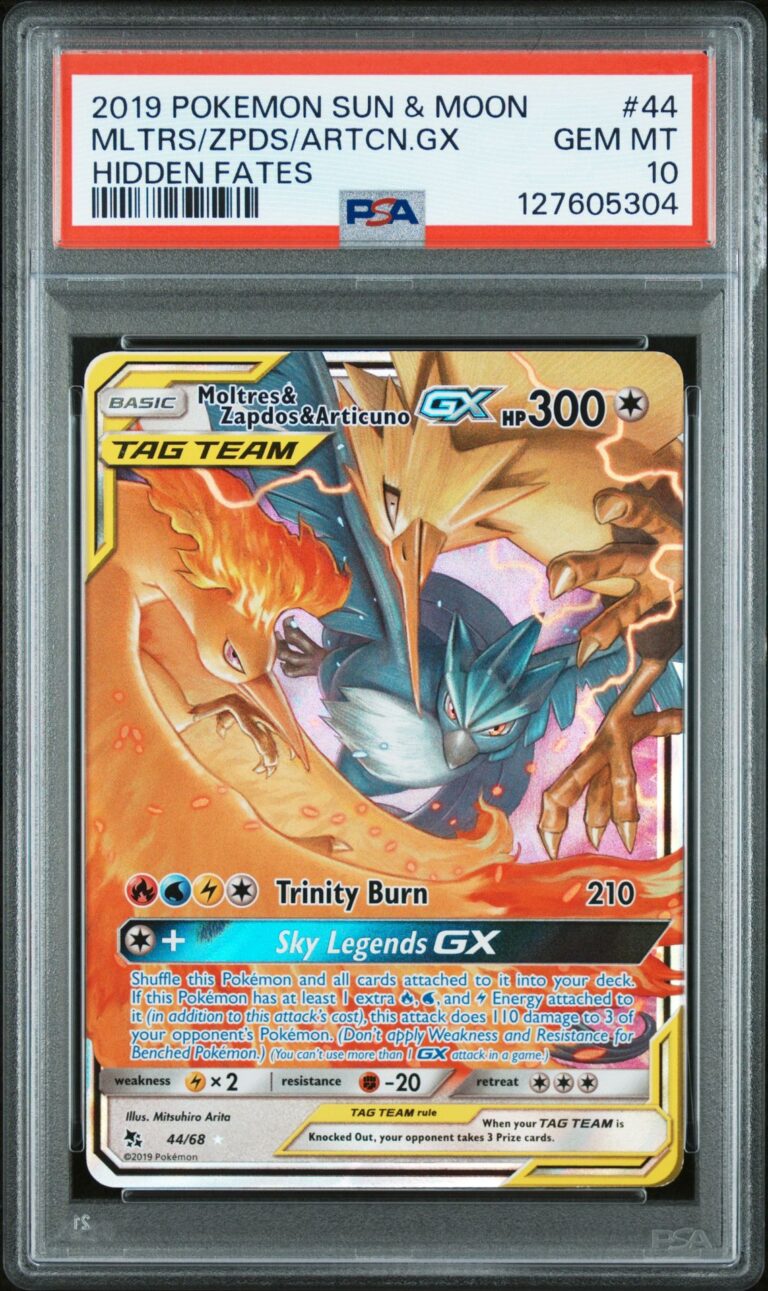 GuideWhere to Buy Pokémon Cards in Vancouver: Graded Slabs, Singles and SealedLooking for Pokémon cards in Vancouver? Shop PSA graded Pokémon slabs, vintage holos and sealed products from a Vancouver, BC card shop,…Read the Guide