

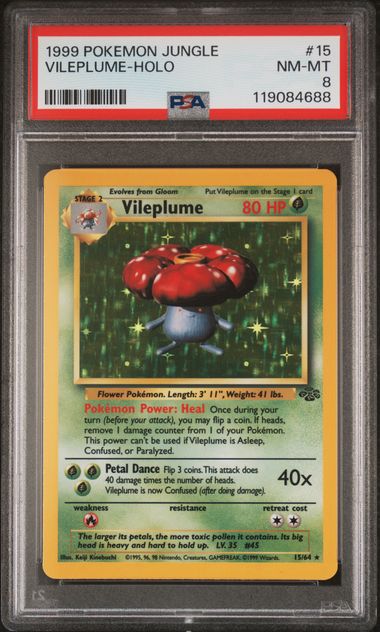
The PSA population report tells you how many copies of a card PSA has graded, and at which grades. It is one of the most useful tools for figuring out how rare a slab really is and whether a price makes sense.
What Is the PSA Population Report?
Every time PSA grades a card, it is added to a public database. The population report, or “pop report”, shows the total number of copies graded for each card and the count at every grade from 1 to 10, including half grades and qualifiers.
How to Look Up a Card’s Population
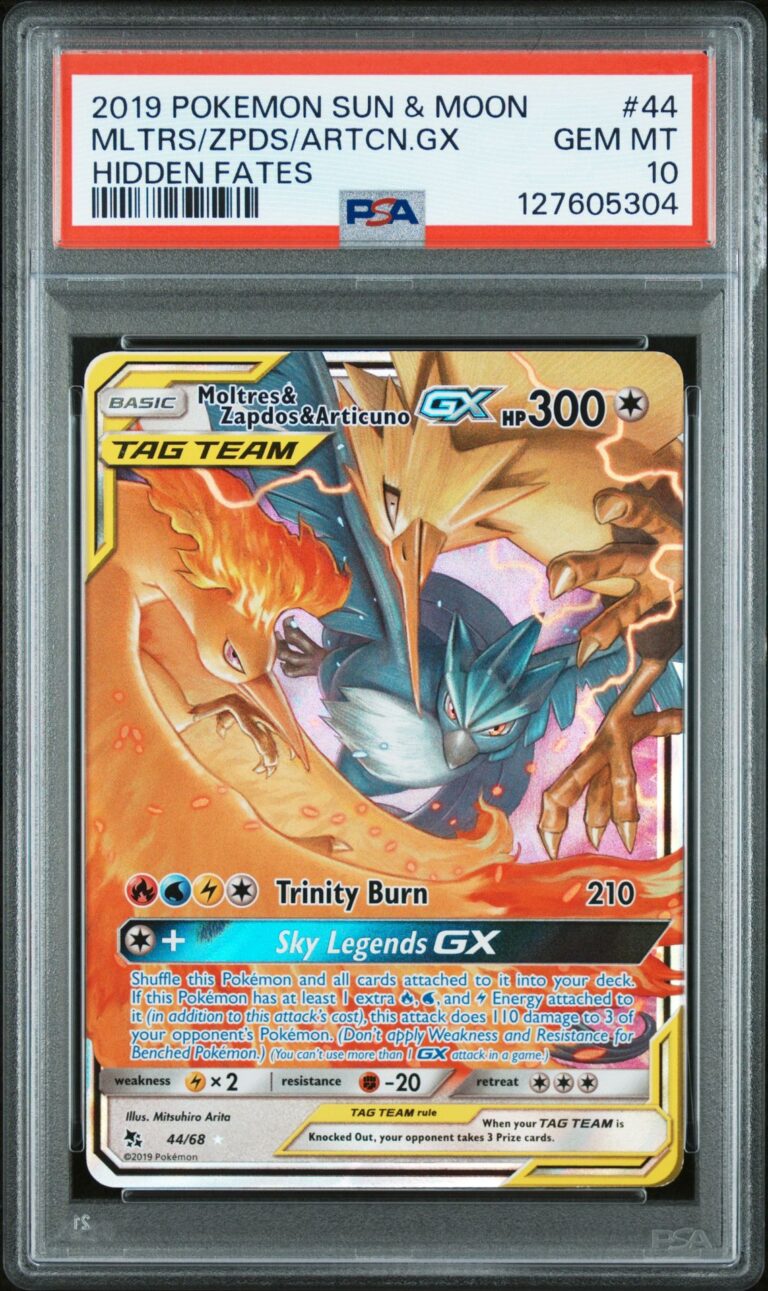
- Find the cert number on the PSA label (the long number, usually top right)
- Enter it on PSA’s cert verification page or in the PSA app. See how to check a PSA cert
- The cert page shows the card’s population and how many are graded higher
You can also browse the pop report by sport, year and set on PSA’s website.
How to Read Pop Numbers
- Pop: how many copies exist at that exact grade
- Pop higher: how many copies graded better. A PSA 9 with zero higher is the best known copy
- Total pop: every graded copy across all grades
A “pop 1” card is the only one at that grade. Low pop cards in high grades usually sell for a premium.
Why Population Matters for Value
Price comes from supply and demand. A star player’s PSA 10 with a pop of 50 will usually sell for far more than the same card in a PSA 10 with a pop of 5,000. But pop is not everything. A low pop card of a player nobody collects can still be cheap. Always compare recent sales too. Our guide on how much your sports card is worth walks through it.
Limits of the Pop Report
- Pop numbers only grow over time as more cards are graded
- Cards that are cracked out and resubmitted can be counted more than once
- Other graders (BGS, SGC, CGC) keep their own separate reports
Shop Low Pop Graded Cards
Every PSA slab at Card Tings lists its cert number so you can check the population yourself. Browse graded slabs or filter the low pop cards in our shop.
More Collector Guides
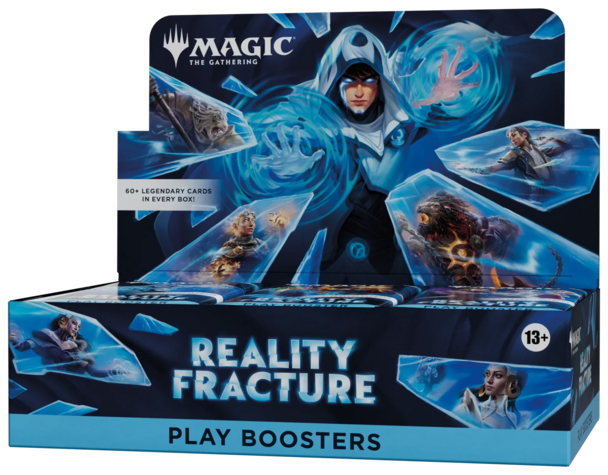 GuideMagic: The Gathering for Beginners: Sets, Boosters and SinglesA beginner's guide to Magic: The Gathering: how the TCG works, Commander and Draft, Play vs Collector Boosters, singles vs sealed and…Read the Guide
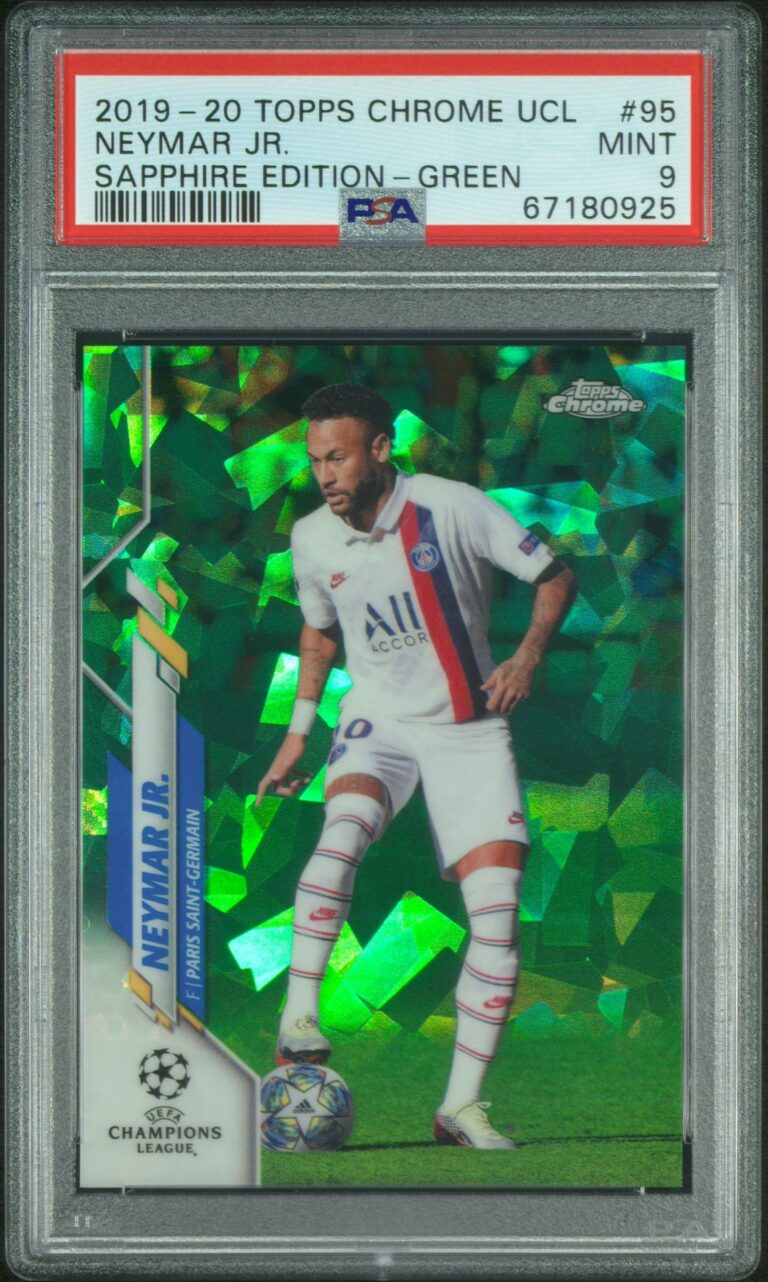 GuideSoccer Slabs: A Guide to Graded Soccer CardsSoccer slabs explained: the main soccer card brands, the graded soccer cards collectors chase, soccer rookie cards and what to check before…Read the Guide
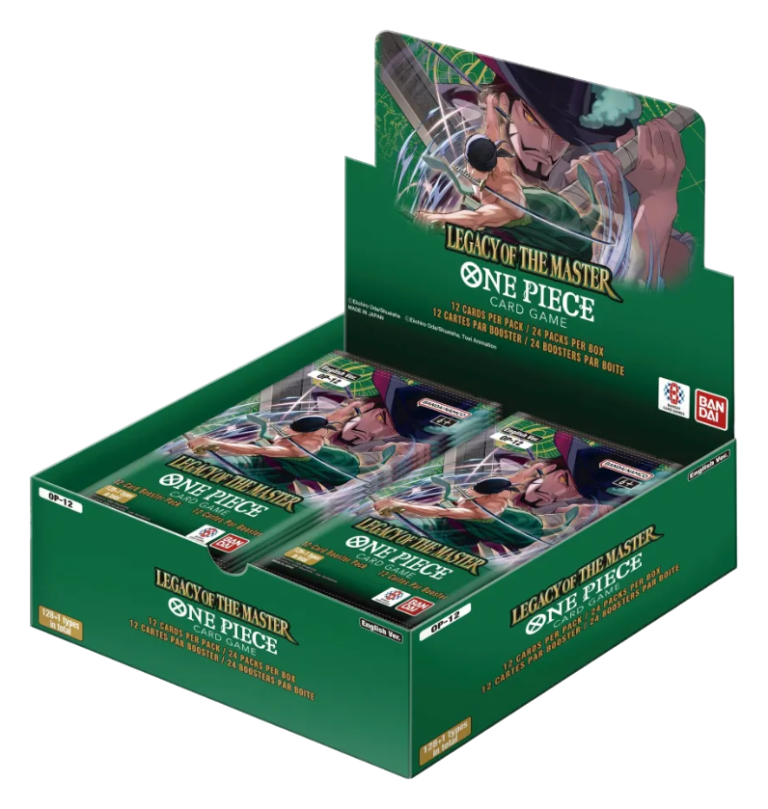 GuideOne Piece TCG Sets and Booster Boxes: A Collector’s GuideEvery English One Piece TCG booster set in order, what OP set codes mean, card rarities like manga rares, and whether to…Read the Guide
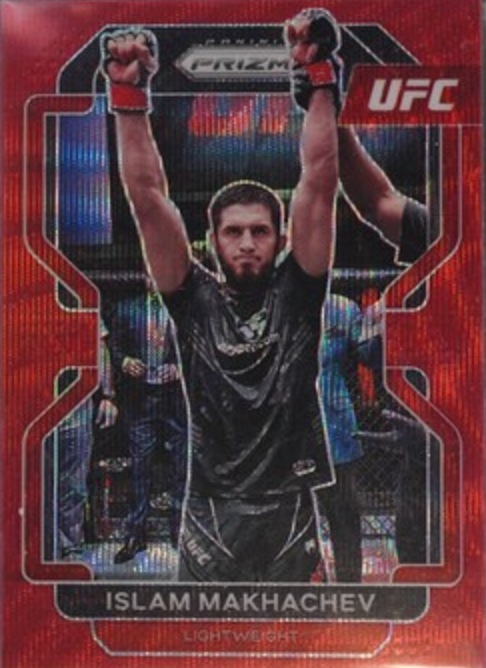 GuideUFC Prizm Cards: A Guide to Collecting UFC CardsA guide to UFC Prizm cards and UFC trading cards: Panini Prizm UFC vs Topps UFC, parallels, rookie cards, top fighters and…Read the Guide
 GuideCard Savers vs Toploaders: Which Should You Use?Card savers vs toploaders: what each holder is for, which one PSA prefers for grading submissions, and the best way to store…Read the Guide
 GuideHow to Store Trading Cards in Vancouver’s Rainy ClimateVancouver’s damp winters can curl and damage cards. How to store Pokémon and sports cards safely: humidity levels, sleeves, toploaders, slabs and…Read the Guide
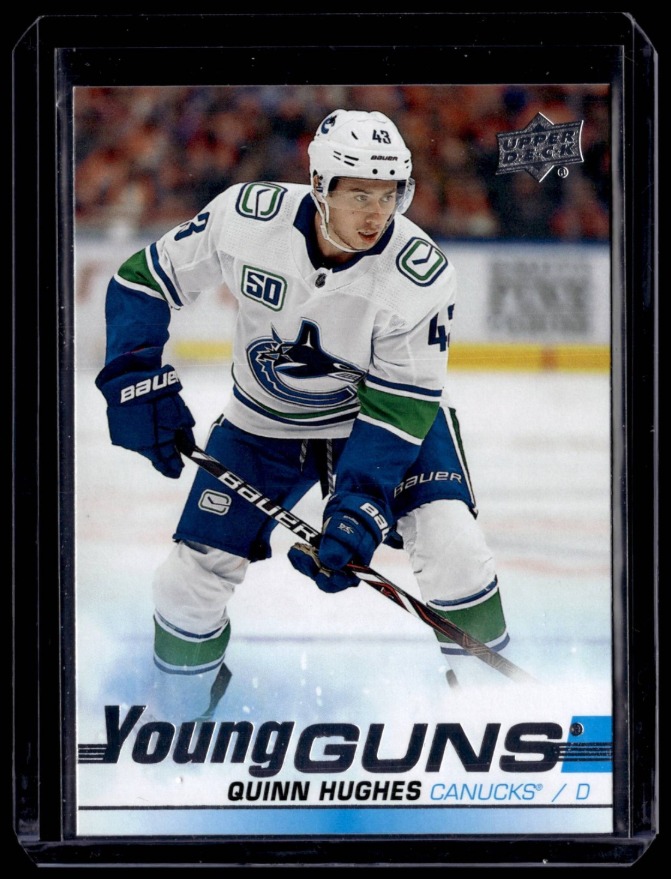 GuideBuy Sports Cards in Vancouver: Canucks, Whitecaps and Graded CardsShop sports cards in Vancouver: PSA graded slabs, hockey Young Guns rookies, soccer and basketball cards from a Vancouver, BC card shop…Read the Guide
 GuideWhere to Buy Pokémon Cards in Vancouver: Graded Slabs, Singles and SealedLooking for Pokémon cards in Vancouver? Shop PSA graded Pokémon slabs, vintage holos and sealed products from a Vancouver, BC card shop,…Read the Guide